

An electric bus startup based in Kenya, established in 2021, has successfully concluded a Series A equity round of $24 million along with an additional $17.5 million in debt funding. The leading investors in this round include Africa50, British International Investment (BII), and the U.S. Development Finance Corporation (DFC).
Additional participants in the equity round consist of Novastar Ventures, CFAO Kenya, Mobility54, and SBI Investments. The debt funding comprises a $10 million facility from DFC to bolster the operations of the startup in Kenya and a $7.5 million facility from BII to support the expansion of its electric bus services in Rwanda.
The startup, which commenced operations in Kenya in 2021, was founded by Jonathan Green and Jit Bhattacharya after securing an initial funding of $1 million to produce electric buses locally in Kenya and deploy them as commuter vehicles, known as matatus, in Nairobi. By March 2024, the electric buses from this startup had transported over 4 million passengers, leading to a reduction of 1,175 tonnes of greenhouse gas emissions.
This funding round comes after seven months following the introduction of a national e-mobility draft policy by the Kenyan government to encourage the local manufacturing and assembly of electric vehicles.
The startup plans to utilize the raised capital to expand its fleet of electric buses from 119 to 1,000 in Kenya and Rwanda over the next three years to compete with another company that secured $24 million in funding in February 2024.
According to Jit Bhattacharya, the CEO of the startup, with the support received, they are prepared to introduce numerous modern, emissions-free electric buses across East Africa, particularly in Rwanda.
The funding will also facilitate the scaling up of its e-bus assembly line and the extension of its pay-as-you-go model, which allows customers to lease the buses to reduce initial costs, to new bus types. The cost of its E9 Kubwa model can reach up to KES 7.5 million ($58,000), while traditional buses used for mass transit in cities typically cost slightly over KES 5 million ($37,000).
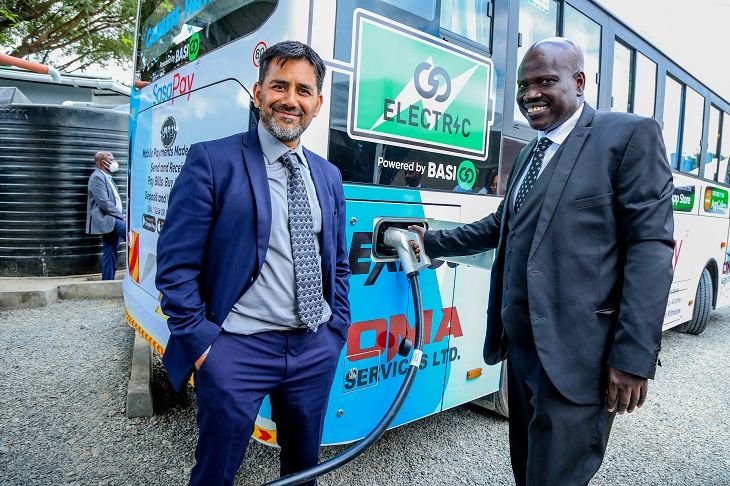
The startup’s approach involves tapping into Nairobi’s Matatu culture, where small buses operated by Savings and Credit Co-operatives (SACCOs) transport millions of people daily. The startup has collaborated with SACCOs like Super Metro and Citi Shuttle to introduce their buses on Kenyan roads.
In previous funding rounds, the startup raised $4.3 million in a seed round in 2022, followed by $6.6 million and $5 million in debt funding later that year, and $3 million in equity in March 2023 from CFAO and its venture capital arm, Mobility54.