
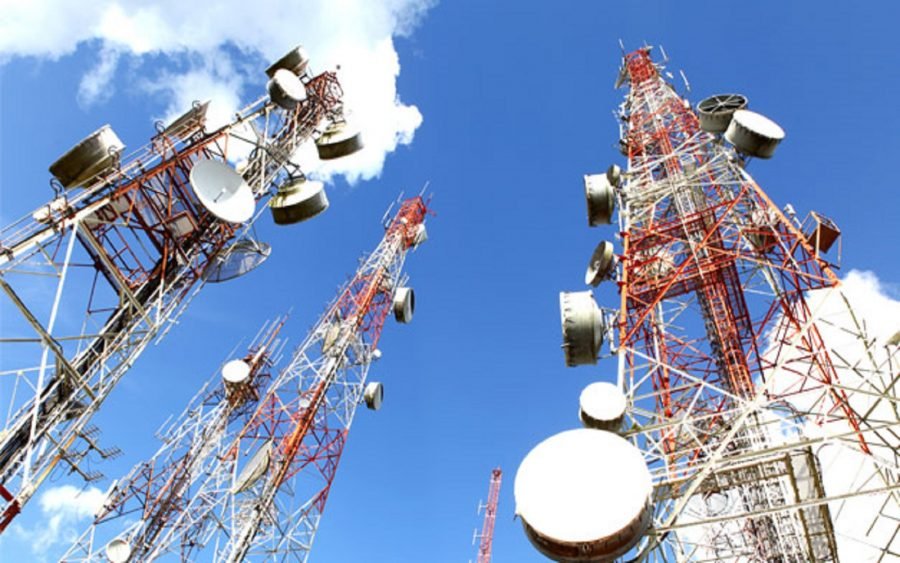
Telecommunication companies encounter significant cost challenges when setting up and maintaining base stations in rural areas, facing an average of 35% higher costs compared to urban locations. This information was shared in a report by GSMA, a global industry body representing telcos. The report, titled “Rural Renewal: Telcos and Sustainable Energy in Africa,” highlights the financial strain of expanding networks in sparsely populated regions.
Factors contributing to the increased costs in rural areas include higher energy expenses, greater investments in backhaul infrastructure, and the necessity for sturdy towers and civil works. The report emphasizes that utilizing renewable energy solutions could help alleviate the elevated energy costs associated with rural base stations. By embracing renewable technologies, telcos can potentially reduce expenses and accelerate the extension of networks in rural areas.
One of the key findings in the report indicates that operating a base station in a remote rural setting costs operators an average of 35-40% more than in urban areas. This cost disparity is mainly due to the heightened energy costs, primarily stemming from the reliance on diesel in areas with limited or unreliable grid access.
Backhaul infrastructure, crucial for linking rural base stations to core networks, is identified as another significant cost driver. GSMA notes that backhaul expenses in rural regions are 110% higher than in urban centers, primarily due to the challenges of laying fiber optics across vast and thinly populated areas.
The combination of elevated energy and backhaul costs poses challenges to the profitability of rural network deployment, constraining telcos’ capacity to enhance connectivity in underserved regions. In response to these financial pressures, major telecom companies are progressively transitioning to renewable energy sources like solar, wind, and lithium batteries to reduce operating costs and promote sustainability, particularly in areas where diesel dependency is unsustainable.
For instance, Airtel Nigeria’s Chief Technical Officer, Harmanpreet Dhillon, mentioned a strategic focus on expanding grid connectivity and implementing alternative energy solutions across its Nigerian operations. The objective is to reduce reliance on diesel generators by connecting all sites to the grid, thus decreasing diesel consumption and environmental impact.
Furthermore, a telecom industry insider disclosed that MTN, a leading telecom provider with millions of subscribers, spends a substantial amount monthly on diesel to power its numerous base stations. This underscores the urgent need for telcos to explore sustainable energy options to address escalating operational costs and environmental concerns associated with diesel reliance in rural areas.