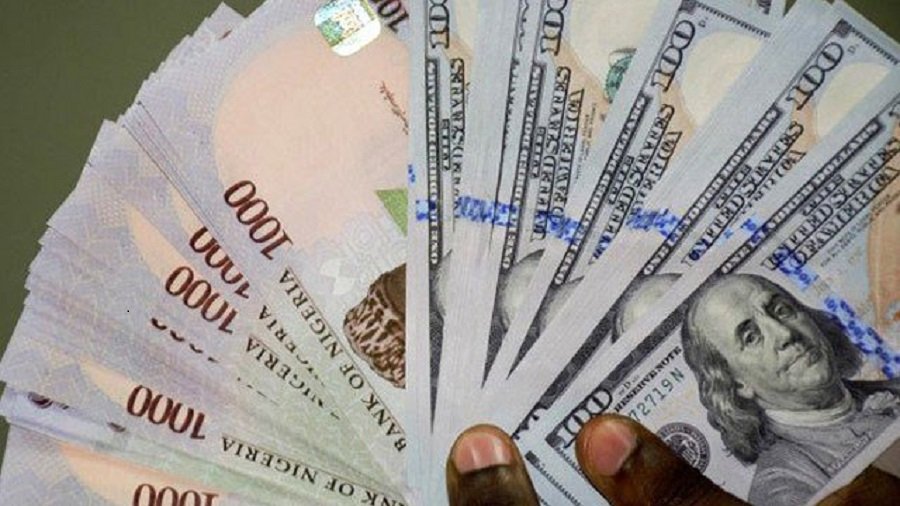
In 2024, the official exchange rate between the naira and the United States dollar concluded at N1,535/$, marking a 40.9% depreciation from the previous year’s rate of N907.11/$. The Central Bank of Nigeria implemented various foreign exchange policies throughout the year to improve market transparency and attract foreign investors. The parallel market saw the naira trading at N1,660/$ at the end of 2024, reflecting a 26.8% depreciation from N1,215/$ in 2023. The CBN introduced market-friendly measures to stabilize the FX market and draw foreign investment, including clearing FX backlogs and issuing revised guidelines for Bureaux de Change operations. The bank also automated foreign currency trading and sold FX to BDCs directly. The introduction of the Nigerian FX Code set ethical standards for market participants, while initiatives like the Voluntary Disclosure and Repatriation Scheme aimed to bolster foreign reserves. Despite these efforts, the naira faced challenges such as limited foreign exchange inflows and the widening gap between official and parallel market rates. The World Bank reported the naira as one of the worst-performing currencies in Sub-Saharan Africa in 2024, attributing its depreciation to factors like surging demand for US dollars and delays in FX disbursements. The International Monetary Fund noted signs of naira stabilization due to recent interest rate hikes and CBN actions. President Bola Tinubu projected a decrease in inflation and an exchange rate improvement in the proposed budget for the upcoming year. The President of the Association of Bureau De Change of Nigeria expressed optimism about reaching the N1,500/$ peg in 2025, while Fitch Ratings warned that a larger budget deficit could lead to further naira depreciation and other economic challenges.
Naira defies CBN’s forex reforms, tumbled 41% in 2024