
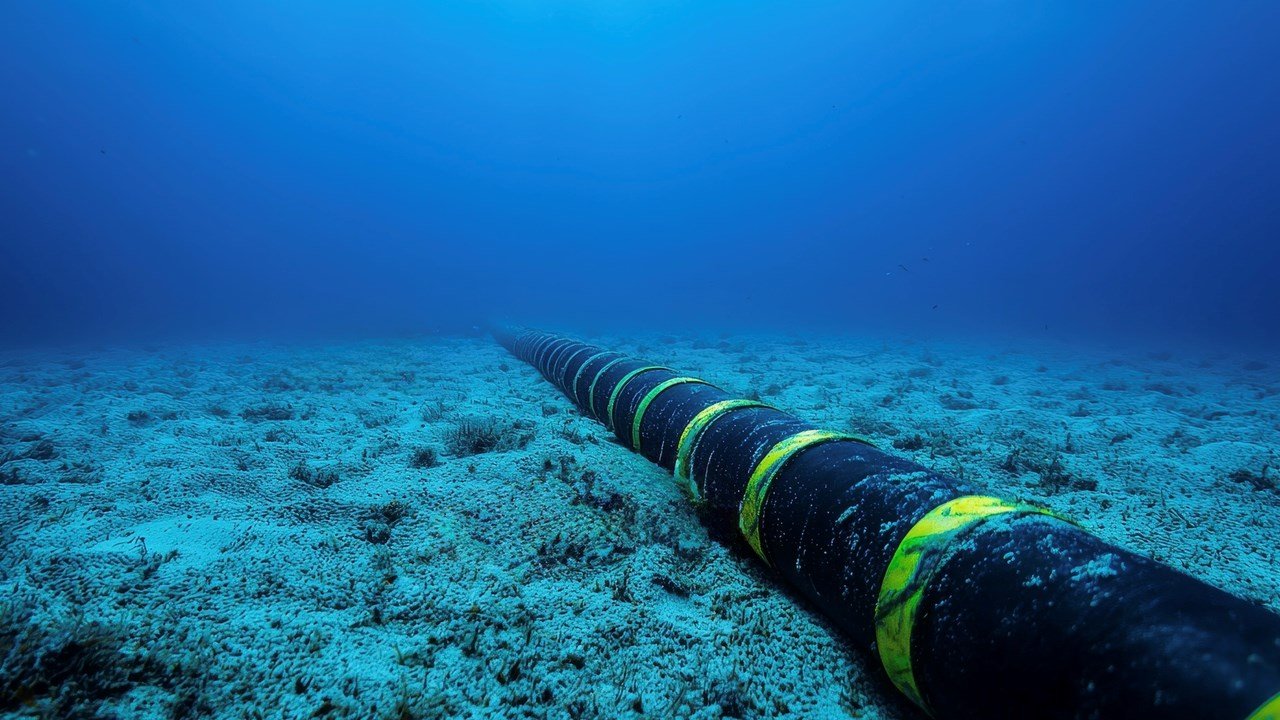
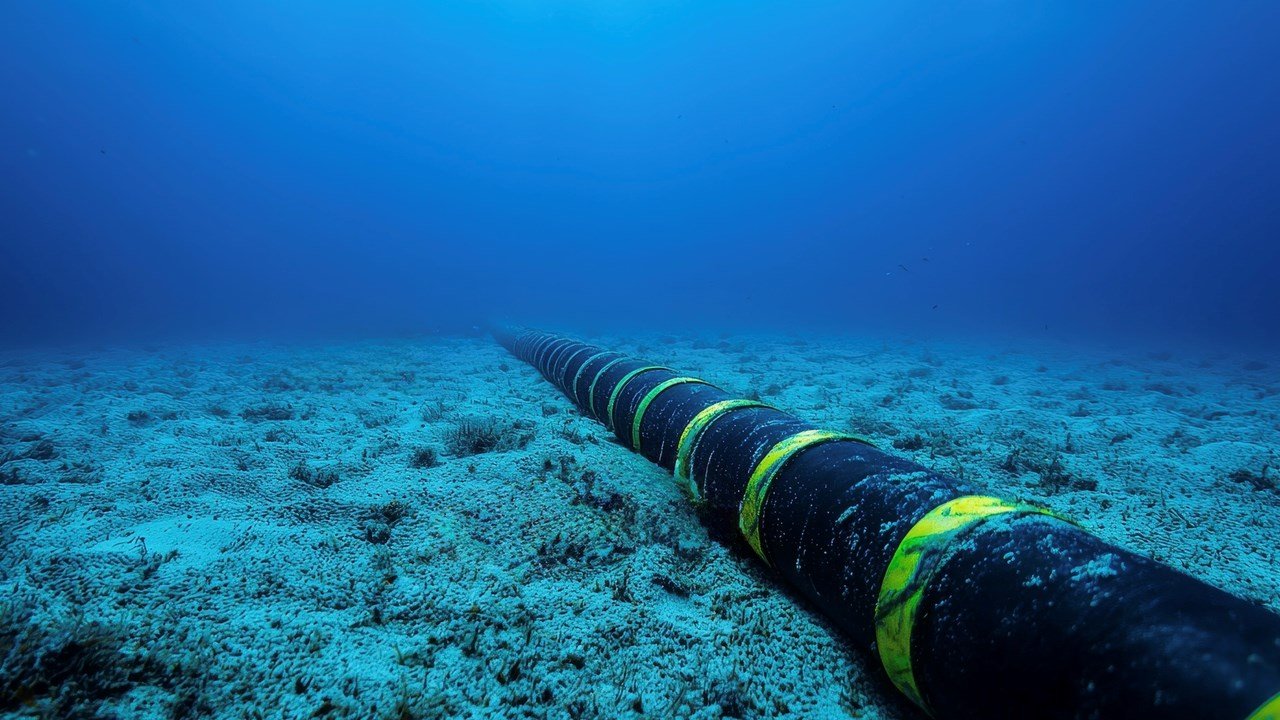
Much of Africa’s Internet runs on subsea cables. Every time your Internet starts buffering, there’s a chance that some underwater cable somewhere is fighting for its life.
Enter Orange. The telecoms operator is backing a new 20,000-kilometre subsea cable project, named Via Africa, that will connect Nigeria and nearly 20 countries across Africa and Europe.
A new Internet highway is loading: The project is being developed by an Orange-led consortium and is expected to run through the Atlantic corridor linking West Africa directly to Europe instead of relying heavily on existing Mediterranean routes. The cable is expected to land in countries including Nigeria, Senegal, Guinea, Côte d’Ivoire, and Mauritania, with more landing points likely to be added later.
Why this cable matters: According to TeleGeography data, Africa currently has 77 active or planned subsea cable systems, but more than half of the continent’s international bandwidth still flows through the Big Four (Nigeria, South Africa, Egypt, Kenya) and Algeria. Orange says cable cuts occur globally, on average, every two days. When one cable gets damaged, entire countries can suddenly experience slower Internet, banking disruptions, or poor video streaming.
What does the average Internet user get from this? If the project works as planned, it could mean faster Internet speeds, more stable connectivity, lower latency, and stronger support for cloud services, fintech, and streaming across West Africa. It could also attract more hyperscale data centres and cloud providers into the region.
Though Orange has not publicly disclosed the cable’s final capacity, it noted that the infrastructure is being designed to accommodate long-term growth in Internet demand across Africa.