
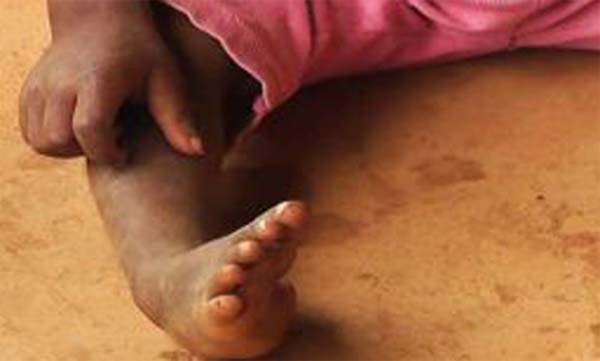
The Nasarawa State Government, in partnership with the World Health Organisation, the United Nations Children’s Fund and the Clinton Health Access Initiative, among others, has reiterated its commitment to tackling the spread of polio in Nasarawa and Keffi local government areas of the state.
Our correspondent gathered that the resolve followed the emergence of two suspected cases of the Polio Virus, one each in both LGAs.
As a result, the Nasarawa State Primary Health Care Development Agency reiterated the need for more awareness about the virus, community sensitisation, and mobilisation for routine immunisation and wide media engagement.
Speaking during a Mass Media Mobilisation Dialogue for Polio Vaccination Campaign on Thursday in Lafia, the Nasarawa State capital, the Executive Secretary of the NPHCDA, Dr Iskilu Saleh, noted that plans had been concluded to commence polio vaccination from November 7 to 10, 2026, in the two LGAs, due to the suspected cases recorded.
Dr Saleh, who was represented by the Director of Immunisation in the agency, Ismaila Okoh, emphasised the important role of the media in ensuring the success of immunisation campaigns, particularly in educating communities on the need to protect children against vaccine-preventable diseases.
He, therefore, called on the media to intensify public enlightenment, sensitisation and mobilisation efforts ahead of the forthcoming Sub-National Immunisation Days in Keffi and Nasarawa LGAs of the state.
“The healthcare workers are doing their best, and even the partners are supporting the programme. Apart from the cases that were isolated in Keffi and Nasarawa, there are no other cases in Nasarawa State,” he said.
Dr Saleh noted that despite ongoing efforts to combat polio, suspected cases of the virus were still being detected, making it necessary to strengthen public awareness and community mobilisation.
While commending WHO, UNICEF, CHAI, among others for their partnership, the Executive Secretary said vaccines were available to provide immunity against polio and other vaccine-preventable diseases.
He encouraged parents and caregivers to take advantage of vaccines available at health facilities, noting that immunisation should not be limited to supplementary campaigns.
Also speaking, the Nasarawa State Health Educator, Ishaya Amegwa, said that from November 7, the vaccination team would be visiting homes, health facilities, special places such as churches, streets, motor parks and other places.
“If they discover some children that have not been vaccinated for routine immunisation, they will either attend to them or refer them to our health facilities to get them vaccinated,” he said.
A consultant to UNICEF, Samuel Sesay, called for sustained polio vaccination and improved hygiene practices to achieve the global goal of eradicating the virus.
Sesay, while addressing journalists on the importance of polio vaccination, noted that the disease could be eradicated through effective immunisation campaigns and increased public awareness.
The UNICEF consultant said the availability of effective vaccines and the decline in reported polio cases over the years demonstrated that eradication was achievable.
He, however, attributed the continued circulation of vaccine-derived poliovirus to the existence of pockets of unimmunised children in some communities.
Sesay further emphasised the importance of continuous training for vaccination teams to ensure the safe and effective administration of vaccines.