
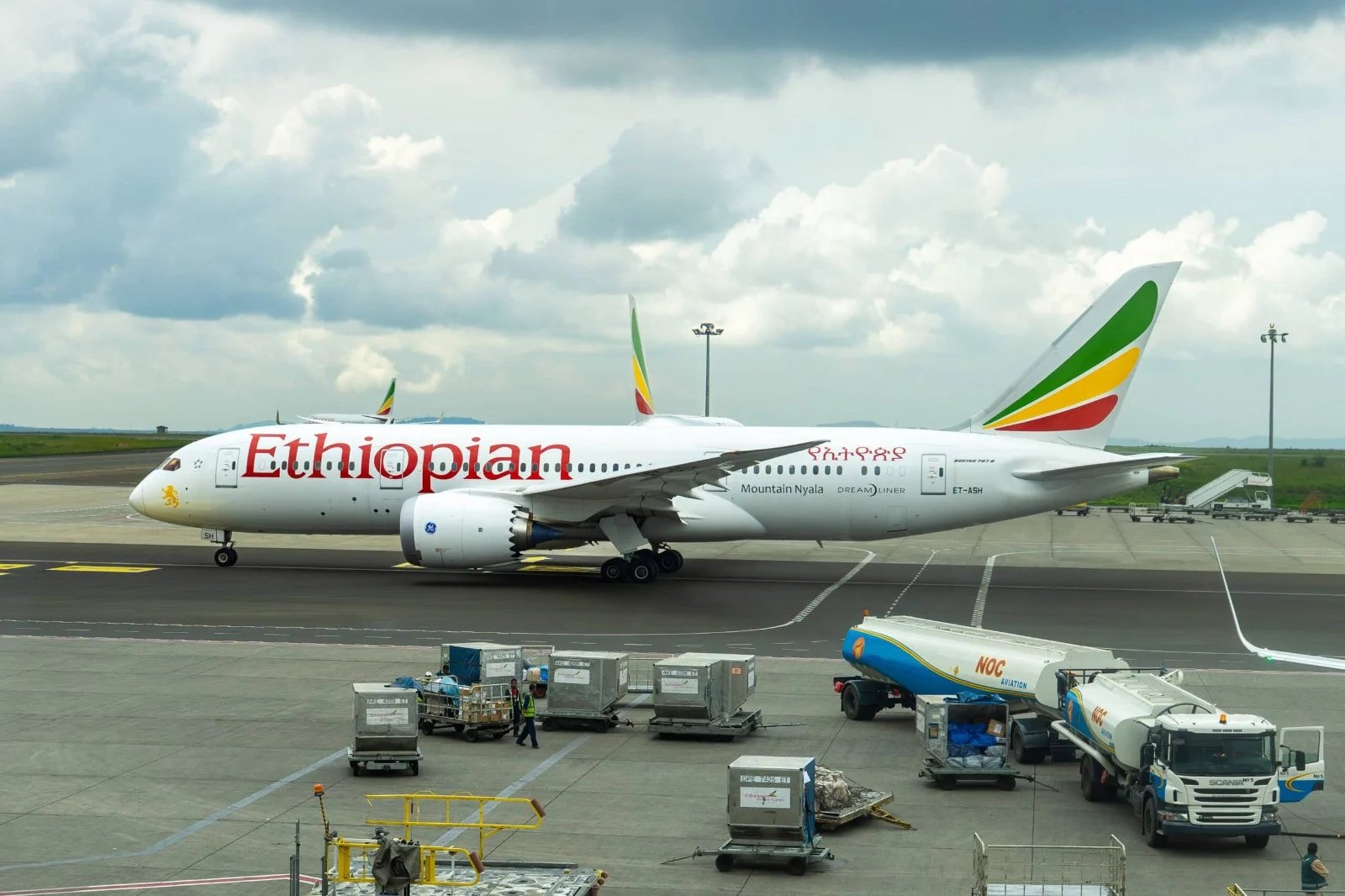
Ethiopian Airlines on Wednesday warned customers that some of their information may have been exposed in a recent cyberattack, weeks after Air Botswana disclosed a suspected ransomware incident on its internal systems.
In an email notice sent through its frequent-flyer programme ShebaMiles, the Addis Ababa-based carrier said the incident was “of limited scope” and said there was “currently no evidence” that customers’ financial information was accessed.
Ethiopian Airlines did not provide the date of the intrusion or the customer data and gave no estimate of how many people might be affected. It also did not say whether the breach was confined to the loyalty programme or whether bookings and flight operations were affected.
The breach at Ethiopian Airlines underscores the risks facing carriers as they rely on third parties to handle everything from customer enquiries to airport check-in. An intrusion can expose millions of passenger records without grounding a flight, as Qantas found last year, while an attack on a shared check-in provider can disrupt operations at several airports at once.
“We are treating this matter with the utmost seriousness and are working closely with our cybersecurity partners and relevant authorities to investigate the incident and assess its full impact,” the airline said. “As a precaution, we encourage you to remain vigilant against any suspicious or unsolicited communications.”
ShebaMiles had more than 5.38 million members when Ethiopian Airlines announced a partnership with Etihad Airways’ loyalty programme in 2025. The airline group carried about 19 million passengers and generated $7.6 billion in revenue in its 2024/25 financial year.
Aviation attacks
The Ethiopian Airlines disclosure follows a series of incidents that have exposed the aviation business, from employee records and loyalty accounts to the software airports use to check in passengers.
Air Botswana said it detected unauthorised access on November 3 to systems containing employee and internal information. The state-owned carrier described the incident as suspected ransomware and said passenger bookings, aircraft systems and flight operations were not affected. It has yet to disclose whether any data was copied.
At Qantas, an attacker gained access to a third-party customer service platform used by one of the airline’s call centres in 2025. The Australian carrier said the breach compromised some personal information belonging to 5.7 million customers, including names, email addresses and frequent-flyer details. Qantas said the incident had no impact on its operations.
An attack on Collins Aerospace two months later showed how disruption at a single supplier could spread across airports. The ransomware attack knocked out automated check-in and baggage drop at several European airports, including Heathrow, affecting dozens of flights.