
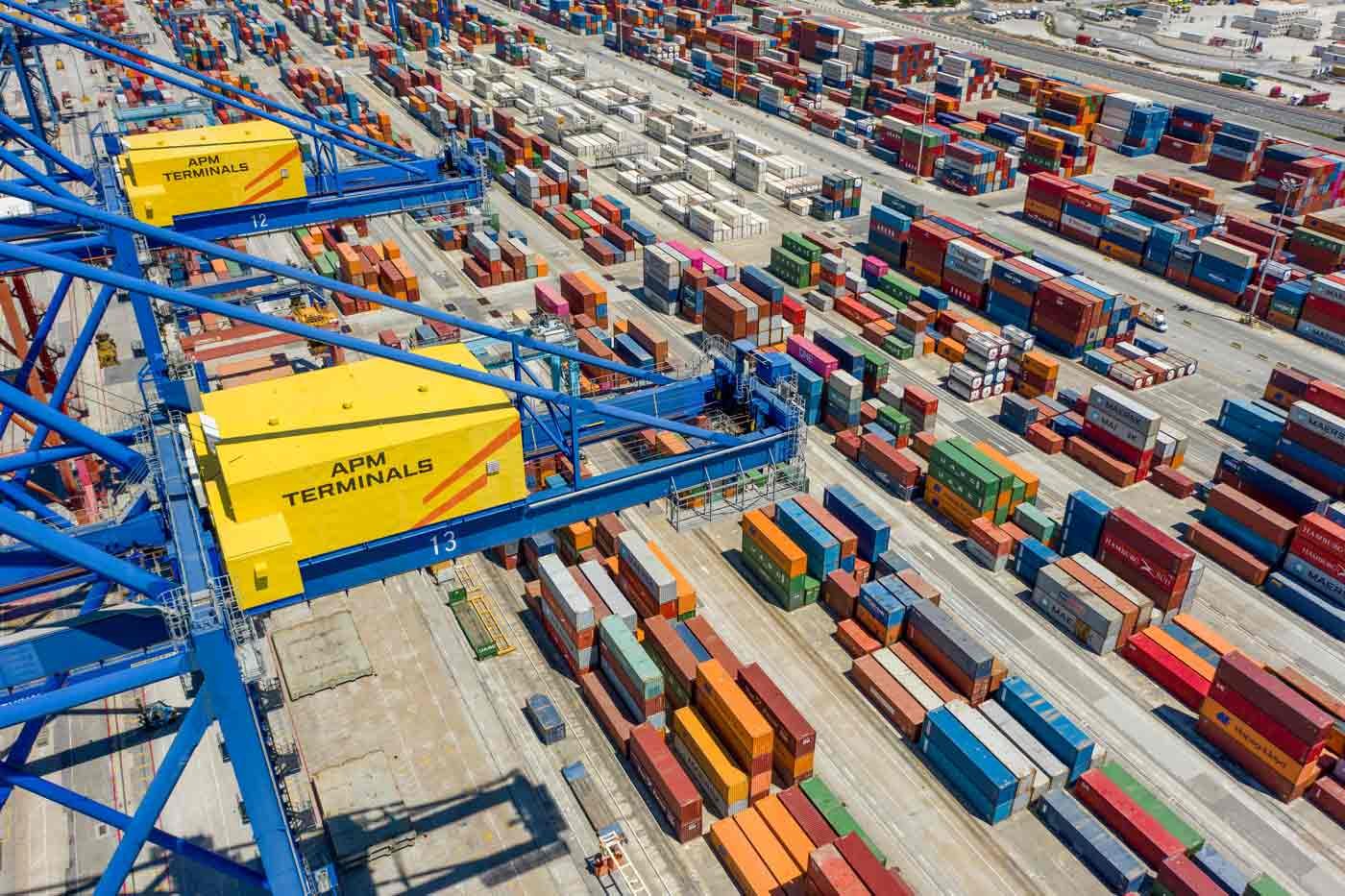
The Head of Commercial at APM Terminals Apapa, Kayode Daniels, emphasized that cargo delays in the ports are primarily due to poor policy enforcement rather than actions of terminal operators. Speaking at a stakeholders’ meeting organized by APM Terminals Apapa, Daniels discussed the truck electronic call-up system, “Eto,” introduced by the Nigerian Ports Authority and managed by Truck Transit Park Ltd.
He explained that delays are often wrongly attributed to terminal operators when enforcement practices are the main contributing factor. Daniels highlighted the importance of understanding the processes to reduce operational complaints and ease congestion on port access roads.
Addressing the issue of truck delays, Daniels mentioned that some truckers intentionally delay by parking on access roads while completing dual transactions. He emphasized the terminal operator’s commitment to creating a transparent and efficient process for all parties involved in the port ecosystem.
The meeting aimed to educate stakeholders on the ‘Eto’ system, aiming to improve customer understanding and address any concerns. Daniels stressed the importance of customers navigating the system effectively to avoid delays and contribute to a smoother flow of trucks into the terminal.
At the forum, the Head of Operations at Trucks Transit Parks, Irabor Akonoman, urged truck operators to refrain from soliciting customers on port access roads to reduce congestion and ensure smoother truck movement. Akonoman advised importers and exporters to track their trucks’ movements through the TTP website for better coordination.
The electronic truck call-up system, ‘Eto,’ introduced in February 2021 by the NPA and managed by TTP, aims to alleviate congestion at major ports like Apapa and Tincan Island Ports. The system requires truck operators to book entry slots in advance, regulating truck influx daily and addressing long-standing challenges affecting port efficiency and logistics costs.