
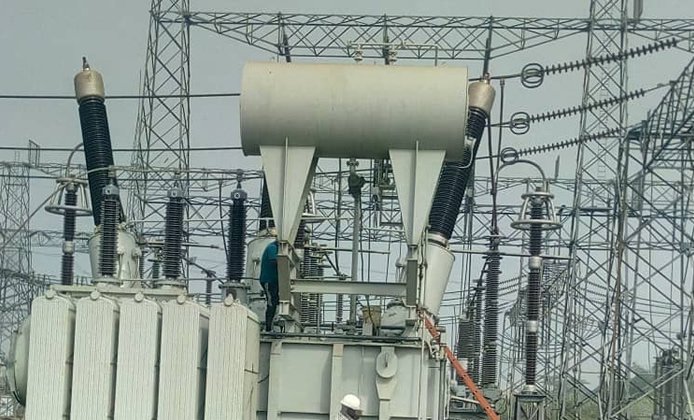
In some areas of the Kano metropolis, residents experienced a sense of relief as electricity supply was restored around 9:00 pm on Wednesday after a three-week power outage. However, many parts of the state were still without power as only 40 megawatts were allocated to the distribution company serving Kano, Katsina, and Jigawa states.
The extended blackout had severe consequences on the lives of artisans and businesses, such as appliance repairers, leading to disruptions in socio-economic activities. The lack of electricity also resulted in challenges like water scarcity and increased costs of essential goods and services.
The power outage forced residents to rely on sachet water for daily use, causing prices to surge due to the closure of water production facilities. Small-scale industries suffered, with some shutting down entirely, while others faced high operational costs using generators.
The situation impacted various sectors, including schools, hospitals, and processing industries like rice mills. The power outage led to losses in businesses and even loss of lives in hospitals. The need for urgent intervention from both state and federal governments was emphasized to address the economic impact and restore normalcy.
Efforts were being made by the government to expedite the restoration of power in the affected northern states. The directive from the government to prioritize the repair of transmission lines and ensure electricity supply was welcomed by energy stakeholders. The Minister of Power had assured that electricity would be fully restored to the region within a specified timeline.