
Takealot, part of Naspers-owned global technology group Prosus, wants to make its e-commerce infrastructure work for more than its own business.
South Africa’s largest online retailer believes its marketplace, logistics network and technology can help small businesses reach customers beyond their immediate markets without building their own digital retail operations.
For small and medium-sized enterprises (SMEs), sustainable sales depend on affordable fulfilment, reliable logistics and the ability to compete. Takealot has more than 16,000 independent marketplace sellers, giving businesses access to its platform and millions of potential customers across South Africa.
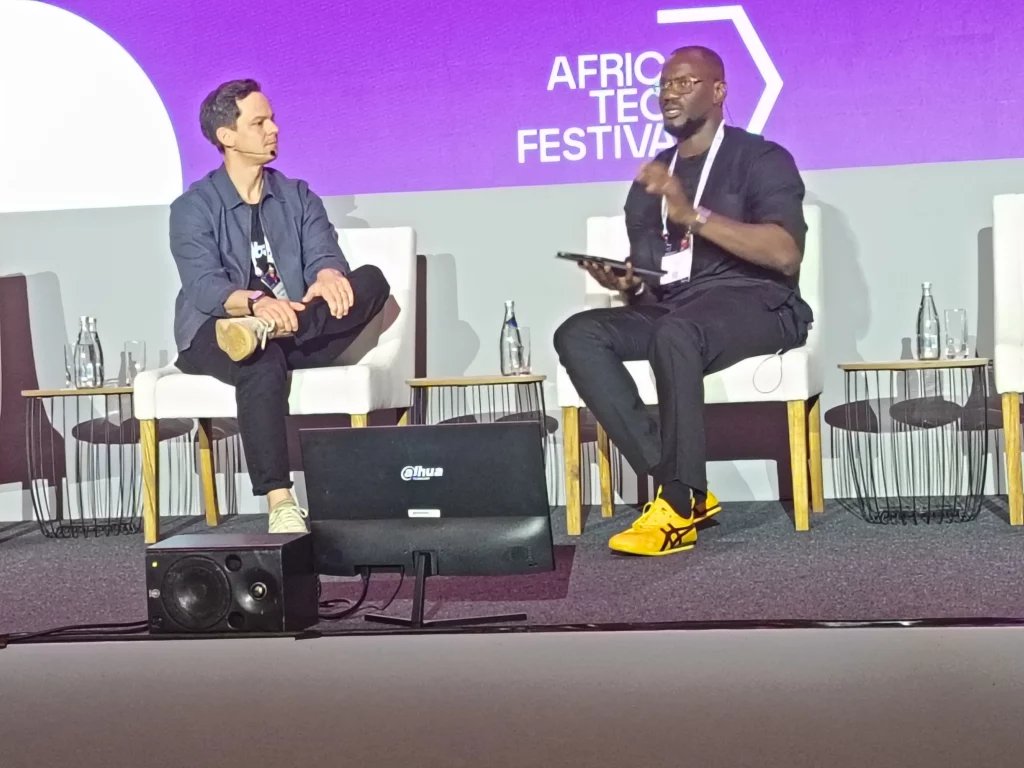
At Africa Tech Festival in Cape Town on Thursday, Takealot Group chief executive officer (CEO) Frederik Zietsman discussed digital commerce opportunities for SMEs. Tomiwa Aladekomo, CEO of Big Cabal Media, TechCabal’s parent company, moderated the session.
Takealot served more than six million active customers and processed over 60 million orders in its last financial year. It surpassed $1 billion in revenue and recorded its first profitable year. Its marketplace gives independent sellers access to this customer base without building their own e-commerce platforms.
The company has spent more than a decade developing the technology and operational capabilities to manage orders, coordinate deliveries and maintain customer trust.
“Ultimately, it starts with trust and ends with trust. If you don’t build trust, you eventually fail,” Zietsman said.
Takealot records about 2.5 million daily sessions across its apps and processes around 150,000 orders nationally, he said. Managing those volumes requires coordination across distribution centres, logistics networks and multiple points in the customer journey.
Zietsman said its operational data network tracks these processes, identifies problems at critical handover points and helps the company respond when something goes wrong. For smaller sellers, this infrastructure could reduce the burden of building an online retail operation, including customer acquisition and delivery capabilities.
Takealot built its own logistics operations after third-party providers struggled with its volumes. Zietsman recalled a difficult peak season around 2015, when three providers failed to meet the company’s requirements.
“We realised that, for us to build this business, we had to do it ourselves,” he said.
Takealot staff sometimes worked inside providers’ facilities, redesigning processes and effectively running operations on their behalf. The experience convinced the company that controlling the customer experience required greater investment in its own infrastructure.
Today, Zietsman said, Takealot operates Africa’s largest mid-mile electric vehicle fleet and generates solar power at its distribution centres. The investments form part of an effort to reduce operating costs and improve efficiency.
“The challenge isn’t simply executing at scale and velocity. It’s doing that while driving efficiency: reducing inventory holding, lowering our cost per unit and increasing the return on capital deployed,” he said.
Technology is another part of that strategy. Takealot applies artificial intelligence (AI) to demand prediction and software development. Zietsman said its adoption must produce measurable commercial benefits.
“If AI doesn’t save us costs, drive efficiency or make customers’ lives easier, why are we doing it?” he said.
The company’s ambitions also extend beyond online retail. In September 2025, Takealot partnered with the Department of Higher Education and Training to align technical and vocational education with skills required in e-commerce, logistics and digital entrepreneurship. The partnership included initiatives supporting township manufacturers and restaurants.
For Zietsman, building a business that can create these opportunities has itself been a long and demanding process of learning, adapting, taking risks and pushing through difficult periods.
“Sometimes, we could have stopped five years ago. But you need to push through those difficult times. Eventually, you reach a level of operational leverage, which is where we are today. That gives us the ability to generate a profit and reinvest in the business,” he said.