
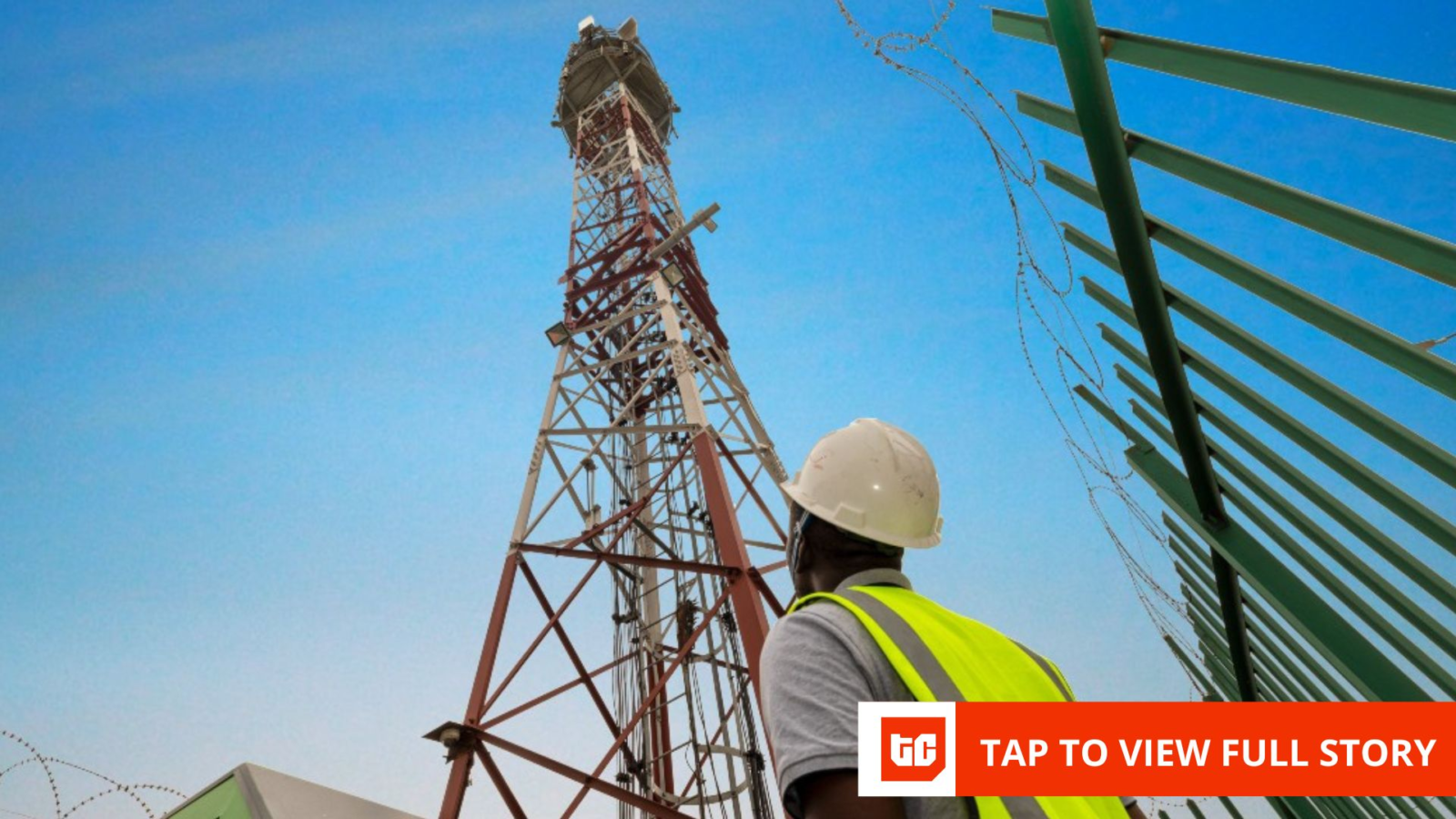
IHS Towers is slowing infrastructure spending as rising costs across African markets force telecom companies to rethink expansion plans, a move that could also slow efforts to improve network quality for millions of mobile subscribers.
On Tuesday, the tower company reported capital spending of $41.4 million in the first quarter of 2026, a 5.3% drop compared to the same period last year. IHS attributed the decline to “phasing” of some of its discretionary spending, meaning it is spreading out or delaying non-essential growth projects.
At the same time, the company’s cost of sales rose to $183.6 million, up 5.64% from the previous year.
The slowdown in capital spending could have direct implications for telecom subscribers. Tower companies like IHS provide the infrastructure used by operators such as MTN, Airtel, and 9mobile to deliver mobile and internet services.
When expansion spending slows, the rollout of new towers, network upgrades, and fibre infrastructure may also slow, especially in rural and underserved areas.
IHS is slowing down or postponing some expansion work, such as building new towers, upgrading power systems, or expanding fibre networks, while focusing more on projects that can deliver quicker returns.
For subscribers, the impact could mean slower improvements in network quality, weaker coverage in crowded urban areas, and delays in the expansion of 4G and 5G services. Data demand across Nigeria continues to rise as more people rely on video streaming, fintech apps, social media, and remote work.
According to the Nigerian Communications Commission (NCC), the country had more than 153 million active internet subscriptions as of March 2026. Slower infrastructure expansion could make it harder for telecom operators to keep up with that growing demand.
The cautious spending reflects a wider shift across Africa’s telecom industry, where tower companies are focusing more on efficiency than rapid expansion.
Rising energy prices, inflation, and foreign exchange pressures have increased the cost of building and maintaining telecom infrastructure, pushing operators to prioritise projects that can generate faster returns.
In Nigeria, IHS Towers’ biggest market, rising diesel prices and higher maintenance costs have made network expansion more expensive. Even so, the company increased spending in the country to $16.4 million in the first quarter of 2026, up from $11.2 million during the same period last year, according to its financial statements.
The spending slowdown in overall spending also comes at a time of major strategic change for the company. In February 2026, IHS Towers announced plans to sell its Latin American tower business to Macquarie Asset Management and its 51% stake in I-Systems to TIM S.A. It is also preparing for a proposed $2.2 billion acquisition by MTN Group, expected to be completed later in 2026.
Even though the company spent less on expansion, it still performed better financially in the quarter. Revenue from its ongoing operations went up by 6% to $415.4 million.
Profit from core operations, measured as adjusted Earnings Before Interest, Taxes, Depreciation, and Amortisation (EBITDA), also rose by 6.4% to $268.7 million. Cash flow increased further, rising 15.8% to $173.5 million, mainly because the company paid less interest on its debt.
Sam Darwish, chairman and chief executive officer of IHS Towers, said the results reflected “disciplined execution and continued commercial momentum across the business.”
The company’s tower portfolio also continued to shift. Total tower count fell by 1,571 year-on-year to 37,641 towers, mainly due to the disposal of its Rwanda operations in late 2025. Tenant numbers also declined, partly because of the exit of Nigerian telecom operator T2, formerly known as 9mobile, from some sites under a restructuring agreement.
“It was agreed that T2 (former 9mobile) would vacate our sites in exchange for a contractual commitment to settle portions of its historic overdue balances through July, 2027,” the company noted in its Q1 2026 report. “As a result, the total number of tenants was 54,854 at the end of the first quarter.”
Still, IHS Towers said the underlying demand for telecom infrastructure remains steady. Excluding the impact of the Rwanda disposal and tenant exits, the company added 865 net new tenants over the past year. Lease amendments, which reflect additional services and equipment installed on towers, rose by 5,593 year-on-year.
The company’s decision to slow capital spending mirrors actions taken by other telecom operators and infrastructure firms across the continent. Airtel Africa recently warned that rising energy costs linked to geopolitical tensions were affecting margins, while MTN Rwanda said it was maintaining stricter discipline around infrastructure spending.