
Published November 15, 2026
Microsoft’s outage showed Africa’s banks had no real plan B
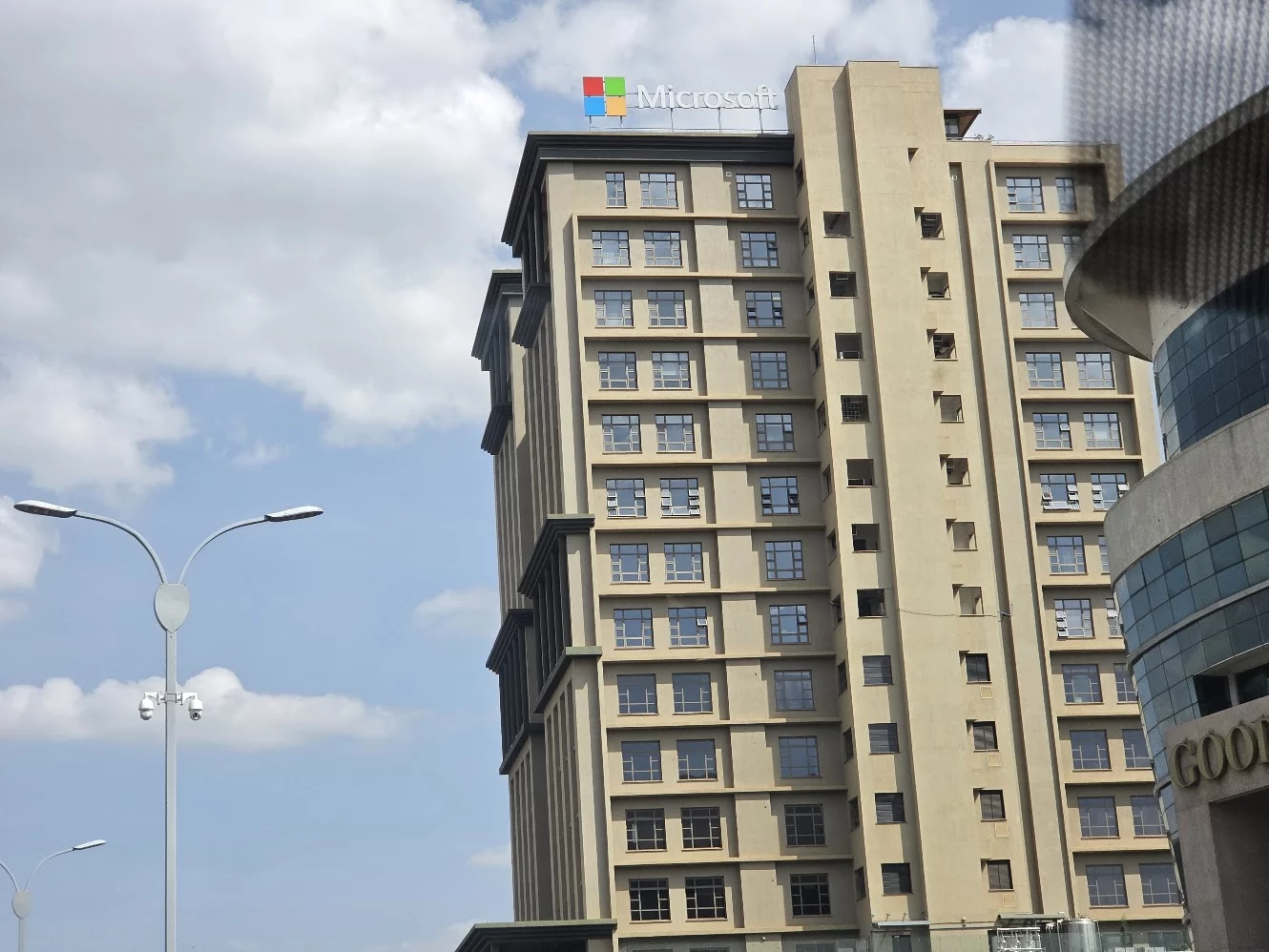
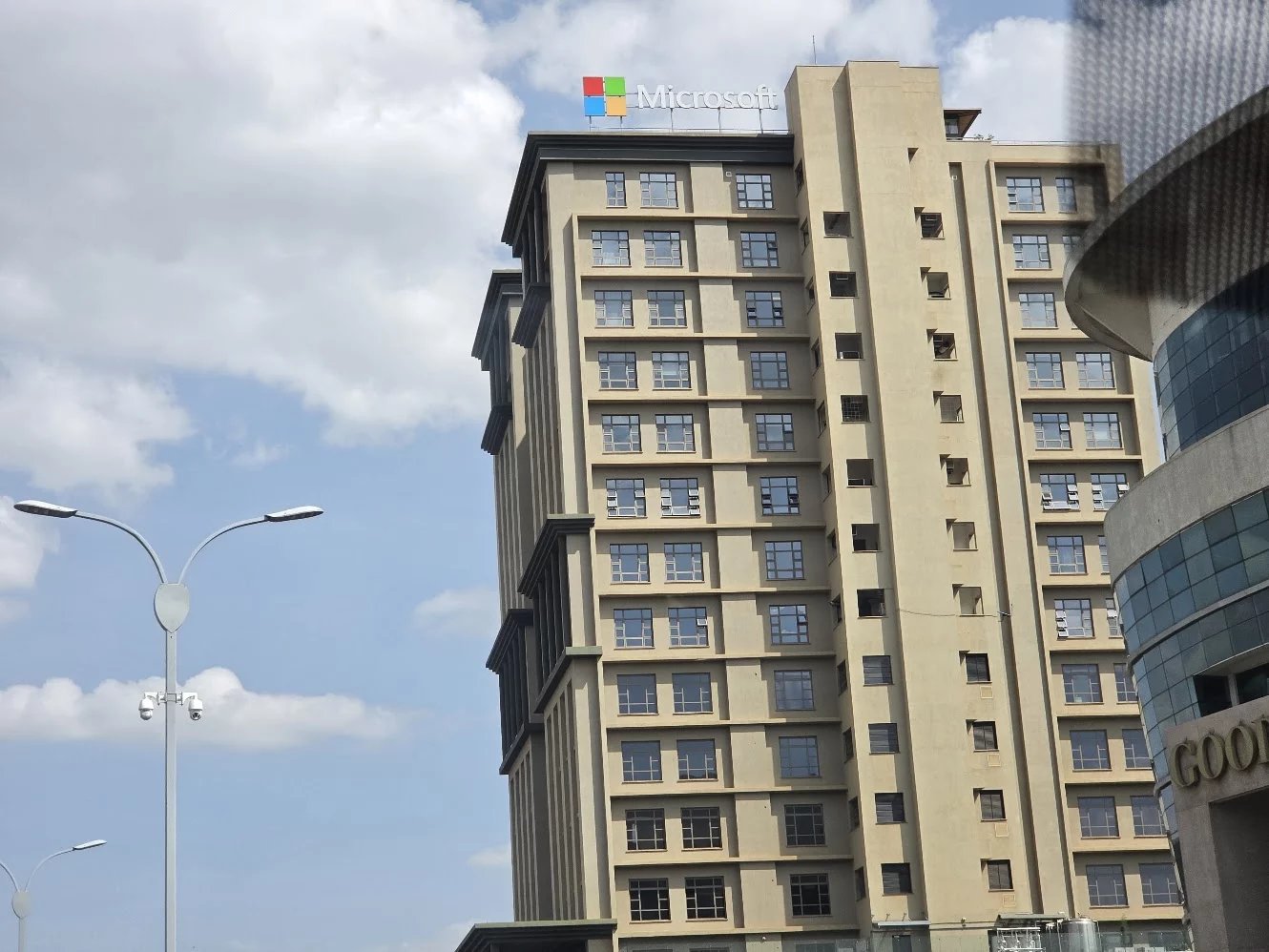
Microsoft offices in Nairobi, Kenya. Image source: TechCabal
I was at Avenue Hospital in Nairobi on Friday morning when the screens went blank. The front desk apologised, then apologised again. Nobody with insurance was going anywhere. The hospital needed the insurer’s approval, and the insurer’s approval ran through systems that run on Microsoft. Microsoft was having a very bad day somewhere in the US.
So we waited, a room full of patients held up by a technical issue none of us had ever thought about. By lunch, my phone was full of bank texts saying the same: our email is down. Please call us. Did anyone have a plan?
The outage began around 4 PM GMT on Thursday and affected users in 74 countries. Microsoft blamed settings applied to servers after an update. A process that sets up secure connections became overwhelmed, and servers stopped handling requests, so the company started rolling the change back.
By Downdetector’s count, it became the largest outage across all monitored services in 2026. The timing was bad for African businesses. Outage reports climbed between 8 AM and 11 AM local time on Friday, just as offices across the continent were opening.
Then the texts started arriving. In Kenya, at least six lenders sent notices, including Equity, Standard Chartered, Stanbic, UBA, I&M, Loop, and NCBA’s digital bank. In Nigeria, Wema Bank and Stanbic IBTC told customers their email services were having problems. In South Africa, Absa, Eskom, FlySafair and the SABC were all hit, and the South African Revenue Service warned taxpayers that the outage was affecting its services too.

Microsoft first acknowledged the problem on Thursday evening. I&M posted its notice on Friday, and Loop texted its customers by midday. More than 15 hours passed between Microsoft admitting the fault and some lenders telling customers where to go instead. A rehearsed plan would have moved faster.
Nearly every notice offered the same way out: all us, message us on WhatsApp, or ring your relationship manager. Wema advised customers with urgent requests to use its phone lines, WhatsApp and Instagram. Two of those three channels belong to Meta.
Across the continent, banks dealt with one American platform failing by sending customers to another. The WhatsApp lines and chatbots are official, logged and well run and on Friday they did their job. But Meta is no backup for Microsoft. Both are American giants with their own outage histories, and a bank leaning on one when the other falls over has spread its risk between two companies, not away from them. What if WhatsApp had gone down on the same morning?
The notices were also keen to point out that payments and mobile banking had not been affected. None of the Kenyan lenders reported an interruption to either service. But that only told part of the story. Much of the routine work at banks now runs through email, from loan applications and bank statements to customer complaints. Payments can keep moving while other services grind to a halt. Anyone who has chased a bank statement ahead of a Friday visa appointment knows how quickly an email problem can become a headache.
Running without a real fallback might still be the rational choice. A second email system that is tested and staffed costs money every month and pays off perhaps one day a year. A shared outage also protects everyone’s reputation. When banks in three countries go down together, customers don’t move their accounts, and no executive loses a job. A bank that builds its own backup and watches it fail takes the blame alone. Relying on a single vendor stays cheap because everyone does it.
Boards can choose to carry that risk, but they rarely say so out loud. The continuity plan promises resilience, the regulator files it, the auditor signs it off, and on the day, it fails; the plan turns out to be a phone number.

The next outage
Friday could have been much worse. Most of what went down was email, and businesses are used to email being slow. Patients waited longer than usual and bank customers called instead of writing, but clinics stayed open and branches kept serving people. The damage was measured in hours.
The next outage will land on offices that look very different. Microsoft wants Copilot and its AI agents inside the same corporate accounts that went dark this week, doing the work people do now like approving insurance claims and answering customers. Copilot also went down on Friday. If an insurer has moved its claims desk onto an agent running in Microsoft 365 by 2028, a similar outage won’t mean slow email. Claims will stop being processed, and the staff who once did that work by hand may have been let go.
Africa got through Friday because of people. Receptionists, call-centre agents and bankers answered WhatsApp messages on their own phones. Automation is built to remove that kind of spare human capacity.
Anyone hoping a local data centre would have saved us should look at Kenya’s planned Microsoft–G42 facility, which was supposed to host an East African Azure region and stalled after the government refused the payment guarantees the companies wanted. Even if it were running today, servers in Olkaria installing the same bad update would have failed just as hard, only with a better view of the Rift Valley. Where the servers sit was never the problem. Depending on one company is.
Boards and central banks have just been handed a free fire drill, and they should use it. Ask when the continuity plan last imagined Microsoft going down everywhere at once. Ask how long the switch took on Friday and who made the call. Ask how many customer conversations ended up on apps the bank doesn’t control. In most boardrooms, the honest answers are never, most of the morning, and too many to count..
When the agents have taken over the desks and the next outage arrives, who will be left to pick up?
Read smart insights about Francophone Africa’s tech ecosystem—weekly.
Kenn Abuya
Senior Reporter, TechCabal
Thank you for reading this far. Feel free to email kenn[at]bigcabal.com, with your thoughts about this edition of NextWave. Or just click reply to share your thoughts and feedback.
We’d love to hear from you
Psst! Down here!
Thanks for reading today’s Next Wave. Please share. Or subscribe if someone shared it to you
here
for free to get fresh perspectives on the progress of digital innovation in Africa every Sunday.
As always feel free to email a reply or response to this essay. I enjoy reading those emails a lot.
TC Daily newsletter is out daily (Mon – Fri) brief
of all the technology and business stories you need to know. Get it in your inbox each weekday at 7 AM (WAT).
Follow TechCabal on Twitter, Instagram, Facebook, and LinkedIn to stay engaged in our real-time conversations on tech and innovation in Africa.