
Published November 1, 2026
The problem with putting an African fintech on Wall Street
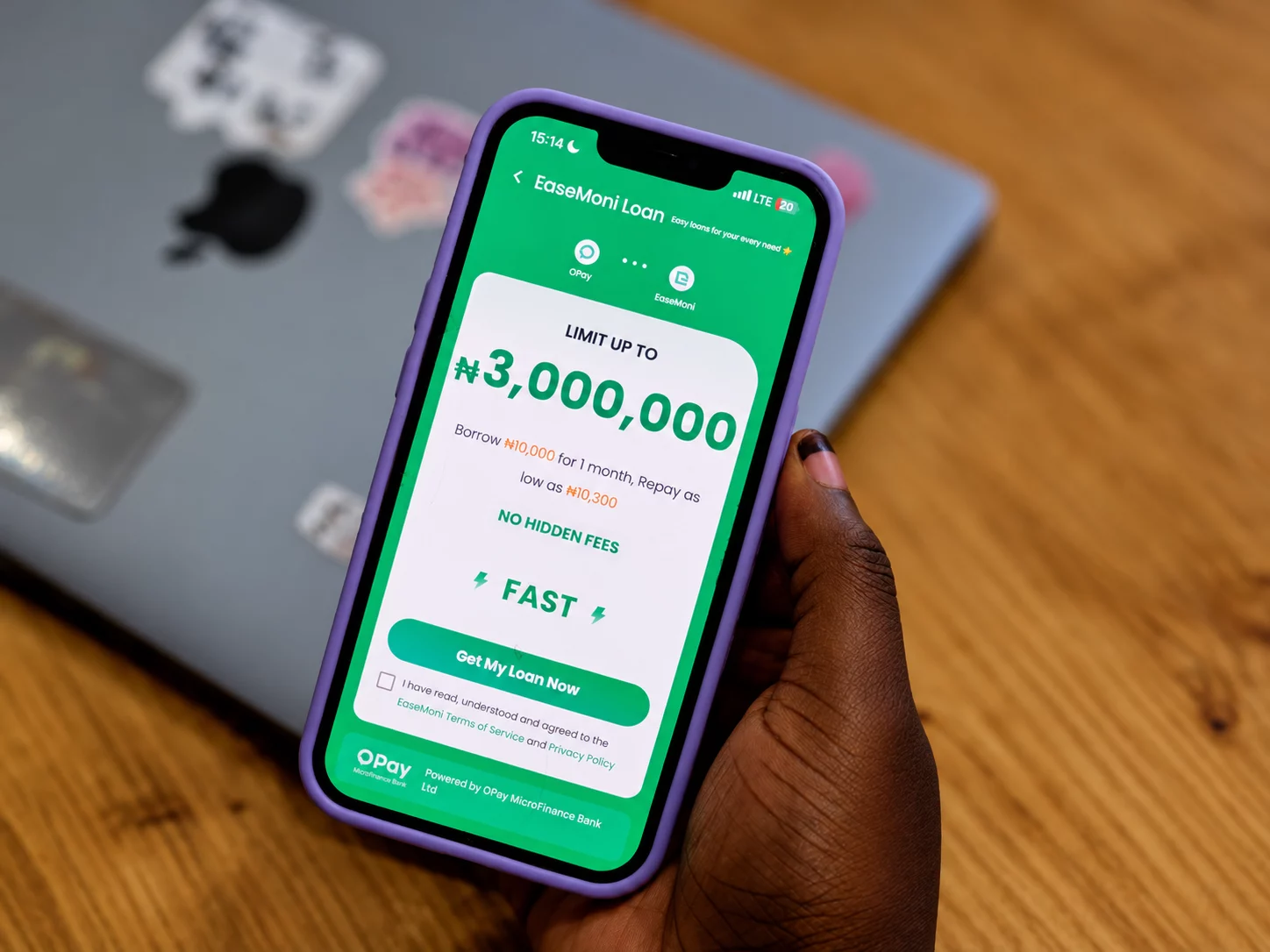
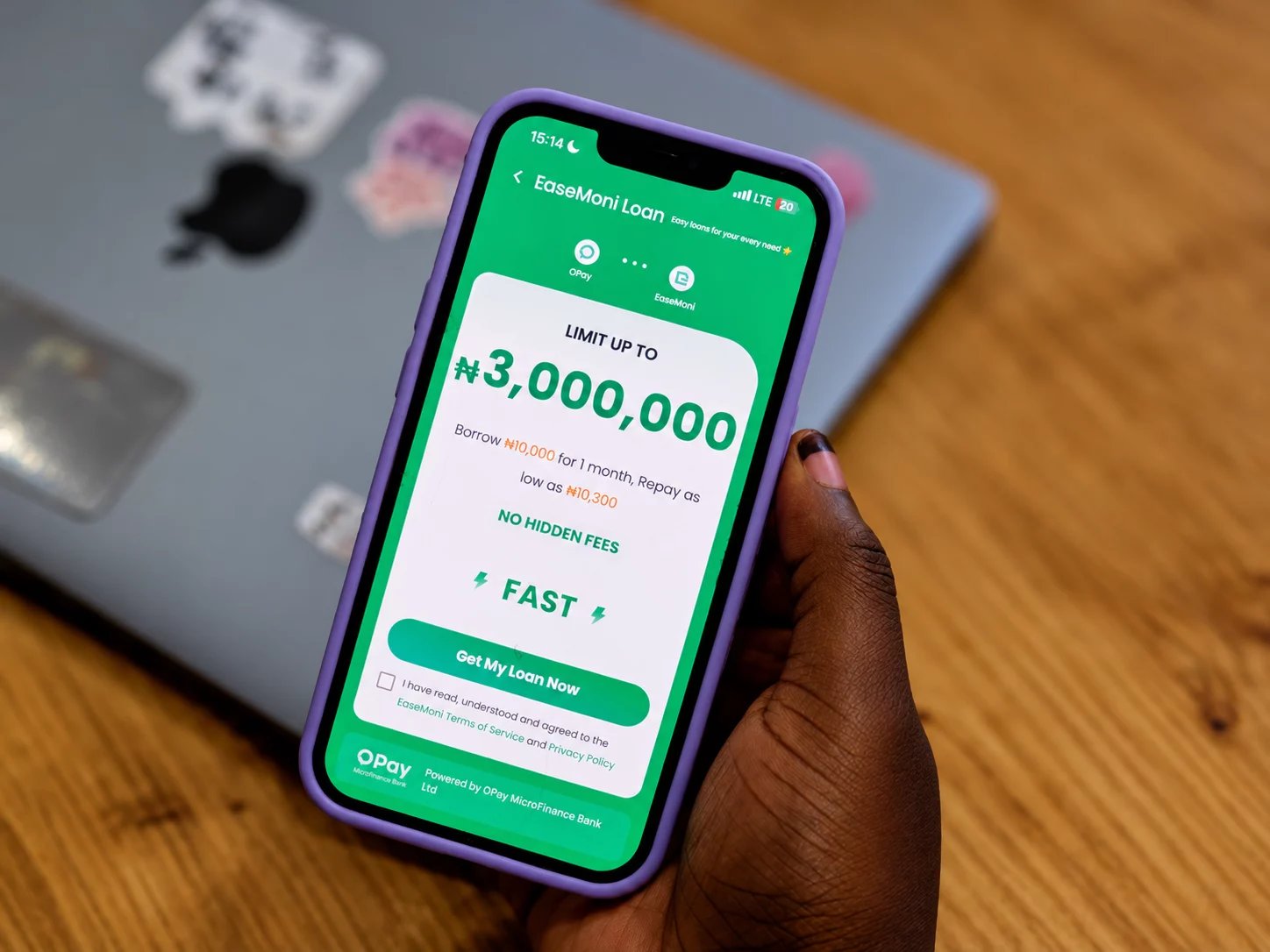
A smartphone displaying OPay’s EaseMoni loan interface, advertising loan limits of up to ₦3 million ($2,234). Image source: TechCabal
OPay had everything an IPO is supposed to deliver: a $4 billion valuation, a $304 million share sale, backing from SoftBank and a ceremonial opening bell at the New York Stock Exchange. On October 30, its executives stood on the exchange floor as the Nigerian payments company prepared to become one of Africa’s biggest technology listings in the US. By the following morning, the deal was dead. Not a single share had traded.
OPay had priced 16 million American Depositary Shares at $19 each, the bottom of its marketed range. By 2 pm, indicative bids had fallen to between $16.25 and $16.75. The NYSE halted trading in its shares with news pending at 3.30 pm. The next morning, the underwriting syndicate walked away.
OPay described the decision as an abundance of caution over an inquiry in an undisclosed foreign jurisdiction, which it called “immaterial to its core business operations”.
This is an awkward explanation for a company whose bankers had just abandoned its biggest capital markets transaction. Whatever the inquiry concerned, it was material enough to stop a $4 billion listing. And the timing raises another question: was the regulatory issue the only problem, or did it give investors and bankers an exit from a deal already struggling to attract buyers?
The deal was already wobbling
Citigroup, Deutsche Bank, CICC and Standard Bank were among the banks underwriting the offering. Their job was to get OPay’s shares into public investors’ hands. Walking away after pricing a deal is not routine. Underwriters typically need a contractual basis to terminate their commitments, such as a failed closing condition or a material adverse change.
OPay’s shares had already been priced at the bottom of the range after demand fell short of expectations. The indicated opening price suggested investors were unwilling to pay even that amount. A weak debut would not, by itself, cancel an underwriting agreement. But a regulatory inquiry could complicate the legal assurances required to complete the transaction.

The collapse also put other plans on hold. A proposed $200 million private placement from Stanbic Africa Holdings, which depended on the listing closing, was halted. OPay’s planned dual listing on the Nigerian Exchange was left in limbo.
The episode exposes a problem with the way emerging-market fintechs have been packaged for international investors. The familiar model is to build a large business in a local market, place it beneath an offshore holding company and pitch international investors on a valuation that reflects the scale of the opportunity rather than the constraints of the operating market.
OPay took that model across several borders; it is incorporated in the Cayman Islands, managed from Singapore, founded by Chinese entrepreneur Yahui Zhou, backed by Japan’s SoftBank and listed in New York. Yet Nigeria accounts for 89.5% of its operating revenue.
The structure can help a company attract international capital, but it does not make the business independent of the country where it earns most of its money. OPay still depends on Nigerian customers, financial institutions and regulators. It also needs to meet the legal and compliance requirements of the jurisdictions through which it is owned and financed.
For public-market investors, those are not separate questions, considering an inquiry in one jurisdiction, or a missing domestic no-objection clearance, can hold up an offering thousands of miles away. The offshore holding company does not insulate the issuer from the risks attached to its operating business.
More than a payments business
OPay’s prospectus also offered a more complicated picture of the company than its familiar payments app might suggest.
Revenue rose from $206 million in 2024 to $536 million in 2025, and the company moved from an operating loss to a net profit of $72.5 million. It had 50 million monthly active users by the first half of 2026. On the surface, this looked like the sort of growth story that public investors should want.
But a large part of OPay’s business comes from lending. Digital loan financing generated $260 million in 2025, almost half of its revenue. The company set aside $121.3 million for expected credit losses that year. In the first half of 2026, it recorded a further $118.4 million in credit loss allowances.
OPay also held more than $533 million in short-term treasury investments, much of it in Nigerian asset management funds.
Payments and lending are different businesses, even when they sit inside the same app. Payments generate revenue from moving money. Lending exposes a company to borrowers who may not repay. Treasury investments bring another set of questions about liquidity, counterparties and the market in which those assets are held.
So, in this case, investors were being asked to understand a lender and an investment portfolio tied heavily to Nigeria’s financial system. It is a different proposition from the asset-light software story that often attracts premium technology valuations.
The price of going global
Read smart insights about Francophone Africa’s tech ecosystem—weekly.
OPay’s failed listing does not mean African fintechs cannot command international valuations. It does show the limits of treating an offshore corporate structure as a shortcut to international capital.
A company can incorporate in the Cayman Islands, manage its affairs from Singapore and sell shares in New York. But its underlying business remains exposed to the rules, currencies and financial institutions of the market where it operates.
This is the part of the story that a $4 billion valuation cannot make disappear. OPay has the users, transaction volumes, and revenue to make a case to Wall Street, but it still has to convince investors that the business behind those numbers can withstand scrutiny across every jurisdiction involved.
Kenn Abuya
Senior Reporter, TechCabal
Thank you for reading this far. Feel free to email kenn[at]bigcabal.com, with your thoughts about this edition of NextWave. Or just click reply to share your thoughts and feedback.
We’d love to hear from you
Psst! Down here!
Thanks for reading today’s Next Wave. Please share. Or subscribe if someone shared it to you
here
for free to get fresh perspectives on the progress of digital innovation in Africa every Sunday.
As always feel free to email a reply or response to this essay. I enjoy reading those emails a lot.
TC Daily newsletter is out daily (Mon – Fri) brief
of all the technology and business stories you need to know. Get it in your inbox each weekday at 7 AM (WAT).
Follow TechCabal on Twitter, Instagram, Facebook, and LinkedIn to stay engaged in our real-time conversations on tech and innovation in Africa.